Learn about the Types of HVAC Services: Choose the Best Fit for Your Home
Exploring the various types of HVAC solutions is essential for property owners looking for the optimal options for their homes. From routine maintenance to custom setup, understanding these choices can greatly impact ease and performance. Determining when fixes or upgrades are necessary also plays a critical role. As homeowners navigate these choices, certain key factors will emerge, leading to further thoughts for optimal temperature control.
Learning Basic HVAC Services
Routine maintenance services such as evaluations, maintenance, and filter replacements ensure peak performance and extend the lifespan of HVAC systems. Homeowners should also be knowledgeable about setup options that provide efficient systems tailored to their specific needs. Furthermore, duct sealing and cleaning are essential for enhancing airflow and lowering utility expenses. Understanding of these fundamental offerings empowers homeowners to make informed decisions, guaranteeing a healthy and comfortable living environment throughout the year. Comprehending these elements is the first step in effectively managing one's HVAC requirements.
Spotting Symptoms for Repairs or Swapping
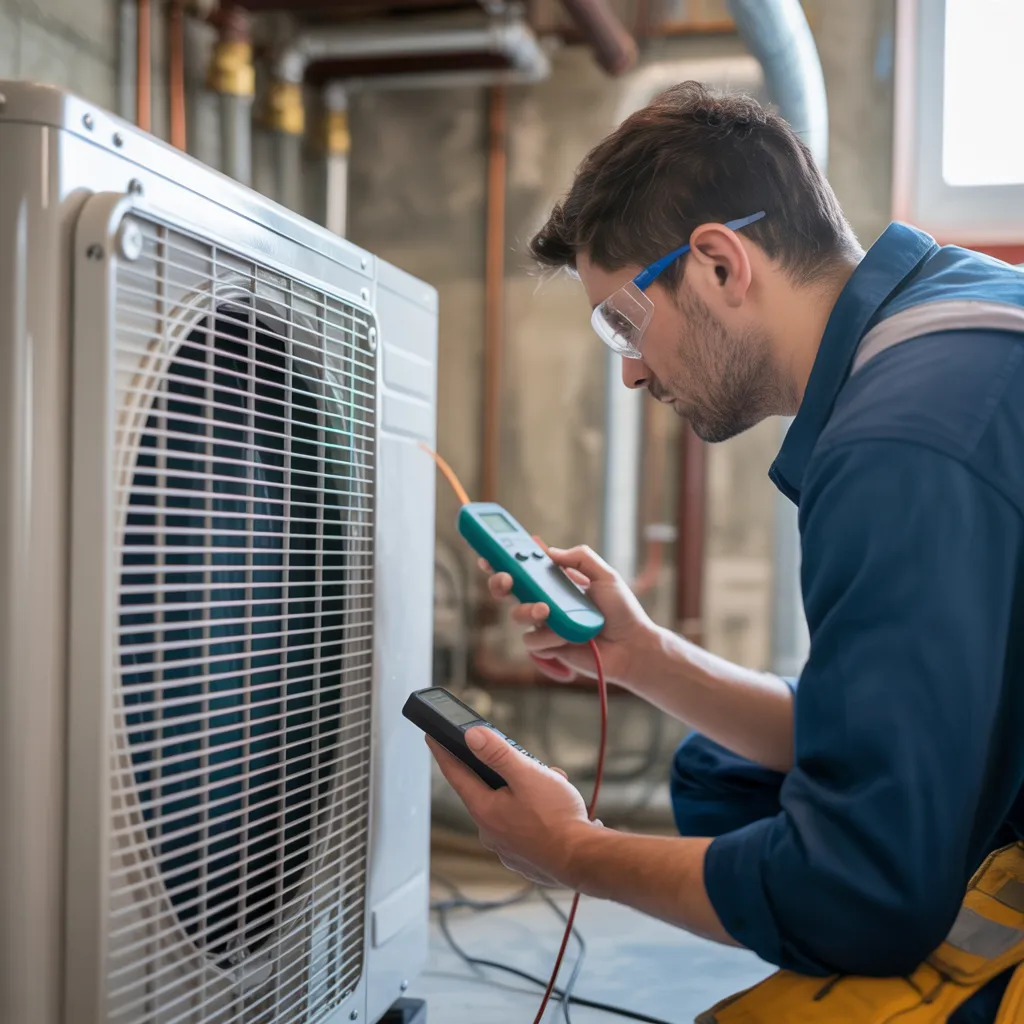
Homeowners should track unusual noises and smells issuing from their HVAC systems, as these can demonstrate fundamental problems. Additionally, a observable jump in energy bills may signal inefficiencies that necessitate repairs or even a replacement. Recognizing these signs early can help avert more substantial deterioration and costly repairs.
Strange Noises and Odors
Homeowners should address these concerns quickly to prevent further deterioration. Overlooking such signs can result in more extensive maintenance or even complete system breakdown. Routine maintenance can help detect and mitigate these issues ahead of time, ensuring that the HVAC system runs efficiently and securely. Awareness of these indicators is essential for preserving a pleasant home environment.
Rising Energy Bills
With power bills increasing suddenly, it may point to hidden faults with the HVAC system that need immediate attention. Homeowners should monitor their monthly energy expenses closely, as considerable increases might indicate inefficiencies. Typical causes include blocked filters, refrigerant leaks, or malfunctioning parts that make the system to work harder. Moreover, outdated units may have difficulty maintaining efficiency, resulting in higher operational costs. Routine maintenance checks can help spotting these issues early, which can potentially prevent expensive repairs or replacements. If an energy bill spike is noted along with other symptoms like inadequate heating or cooling, it might be time to seek a professional’s advice. Acting promptly can result in better energy efficiency and reduced monthly costs.
How to Choose the Ideal HVAC System?
Determining the related content perfect HVAC system can seem daunting, but understanding key factors can streamline the selection process. First, homeowners should assess their particular temperature control requirements based on the size of their space and local climate. This guarantees the system is appropriately sized for optimal performance and comfort.
Subsequently, analyzing efficiency standards, such as SEER and AFUE, is important. Superior ratings often lead to lower energy bills over time. Additionally, taking into account the type of system—central air, ductless mini-splits, or heat pumps—can affect both installation and maintenance.
Budget restrictions should also play a role; while starting costs are important, prospective extended financial benefits should not be brushed aside. Homeowners should research reputable brands and get professional advice to confirm correct installation. Ultimately, a well-informed decision will generate enhanced comfort and minimized energy expenses in the approaching years.
Best Energy-Efficient HVAC Modifications
Several energy-conserving HVAC enhancements can considerably enhance home comfort while decreasing utility bills. One of the most powerful upgrades is the installation of a automated thermostat, allowing homeowners to customize heating and cooling schedules based on their daily routines. Another practical option is superior air filters, which boost indoor air quality and system performance by trapping more dust and allergens.
Upgrading to a variable-speed blower motor also advances energy conservation, supplying precise airflow and reducing energy consumption. Also, sealing ductwork and applying insulation can prevent costly energy loss, ensuring that cooled and heated air reaches its planned spaces.
Ultimately, investing in ENERGY STAR-rated appliances guarantees superior performance and lower energy use, making them a wise investment for eco-conscious homeowners. Together, these upgrades not only support a more eco-friendly world but also lead to substantial ongoing savings on energy bills.
Advanced HVAC Services: Complete Duct Cleaning and Detailed Inspections
Duct cleaning and inspections serve a critical purpose in maintaining ideal HVAC performance. Regular cleaning not only enhances the air you breathe indoors but also boosts overall system performance. Common duct issues can lead to substantial power waste and wellness issues, making preventative inspections crucial for property owners.
Value of Duct Cleaning
While many homeowners may overlook the significance of routine air duct maintenance, it functions as an essential component in preserving a clean indoor setting. Over time, dust, allergens, and contaminants collect in ductwork, potentially affecting air quality and lung function. Clean ducts boost HVAC performance, which can lower utility bills and extend system life expectancy. Additionally, neglected ducts can trap mold and pests, posing additional health risks. Regular cleaning not only minimizes these issues but also promotes a more pleasant living space. Homeowners should explore professional duct cleaning services to confirm thorough and effective removal of debris. By prioritizing duct maintenance, they can promote a more hygienic, secure atmosphere for their families, ultimately enhancing overall well-being.
Benefits of Consistent Assessments
Regular checkups of HVAC systems provide vital insights into their performance and longevity. These assessments work to uncover potential faults before they worsen, maintaining optimal operation and preventing costly repairs. Homeowners can maintain peak system efficiency by identifying wear and tear early, which frequently leads to lower energy bills. Additionally, regular checkups boost indoor air quality by confirming components are clean and working well. These inspections also help maintain home comfort by guaranteeing balanced heating and cooling. Many manufacturers also insist on routine inspections to preserve warranties, making this an economically smart decision. Ultimately, frequent inspections are key to preserving the performance and longevity of HVAC systems.
Common Duct Issues
HVAC systems depend heavily on the soundness of their ductwork, which can often face varied issues that affect performance and air quality. Common problems include leaks, which allow conditioned air to escape, decreasing efficiency and increasing energy costs. Dust and debris build-up can block airflow, resulting in irregular heating or cooling throughout a home. Moreover, inadequate insulation can cause temperature imbalances, forcing the system to work harder. Ducts may also experience mold growth, presenting health risks to occupants. Regular inspections and professional cleaning are crucial to find and fix these issues, ensuring optimal system performance and enhanced indoor air quality. Tackling duct problems quickly can improve comfort and prolong the lifespan of HVAC systems.
Discovering the Premier HVAC Service Provider
What is the right approach to choose the ideal HVAC service provider for your home? First, it is important to explore local companies, emphasizing their reputation and customer reviews. A reliable provider should have a strong track record of satisfied clients and positive feedback. Next, verifying proper licensing and insurance is crucial; this guarantees that the technicians are qualified and protected against potential liabilities.
Additionally, obtaining several quotes can assist homeowners assess pricing and offerings offered. Openness in pricing and detailed contracts are signs of a trustworthy provider.
Finally, considering the scope of services offered—including setup, maintenance, and emergency repair work—can also sway the selection. Ultimately, a union of credibility, qualifications, cost, and service selections will lead homeowners in determining the best HVAC service provider tailored to their specific needs.
Regularly Requested Questions
What Timing Is Recommended for HVAC System Maintenance?
Normally, HVAC upkeep should be set up at least once a year. However, twice-yearly evaluations, especially before summer and winter, can increase system efficiency and longevity, guaranteeing peak performance throughout the seasons.
Learn the Benefits of Installing a Smart Thermostat
A programmable thermostat improves energy efficiency, allowing residents to configure tailored temperature schedules. This generates reduced energy bills, better comfort, and minimized damage to HVAC systems, facilitating extended equipment life and maximum functionality.
What methods can I use to confirm if my setup is energy-conserving?
To evaluate if a system is energy-efficient, one should inspect its SEER rating, track energy bills, and assess maintenance history. Additionally, comparing performance with newer models can provide insight into potential improvements and cost reductions.
Is It possible to put in an HVAC system on Your Own?
Installing an HVAC system yourself is generally not preferred due to complexities and code requirements. Professional installation guarantees safety, efficiency, and compliance, in turn providing better long-term performance and reliability for household heating and cooling requirements.
What Certifications Do You Need for HVAC Installation?
Local regulations typically require permits for HVAC installation, including electrical, plumbing, and mechanical certificates. Property dwellers should liaise with local building authorities to guarantee observance with codes and elude impending fines or setbacks within the installation.